Follow us

Yes: A Prog-Rock Legacy
It’s a very long way from “Tutti frutti, aw rooty…” to “A dewdrop can exalt us like the music of the sun.” The first is by Little Richard in 1956, the second is by Yes, circa 1972.
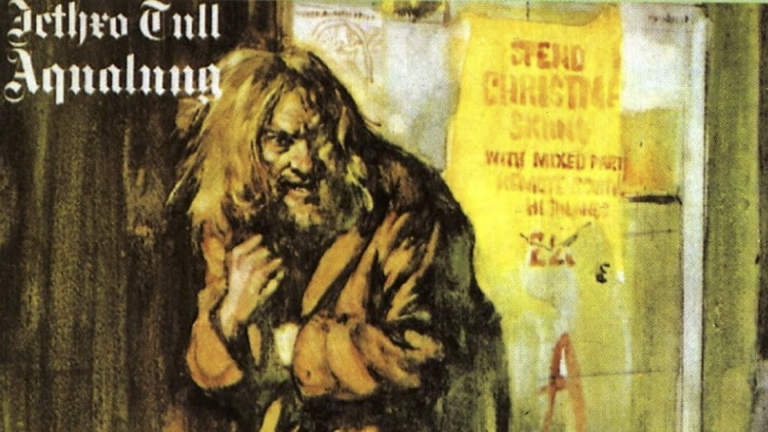
The late 60s/early 70s were a hotbed of “progressive rock.” We had moved from three chords in under three minutes to long-winded tracks that combined classical, jazz, psychedelia, blues, rock, and who knows what else. And among the big names in Prog Rock – King Crimson, Jethro Tull, Genesis, and Emerson, Lake and Palmer – none looms larger than Yes.

Between the trippy concepts, the extended solos, and the iconic Roger Dean artwork (full disclosure: I had a poster over my bed), they really stood out. Formed in 1968, they’ve cycled through about 20 members, but the “peak Yes” lineup still stands as singer Jon Anderson, guitarist Steve Howe, bassist Chris Squire, keyboardist Rick Wakeman, and Bill Bruford/Alan White on drums (at different points). Early on, they’d vacillated between the names “Life” and “World,” finally settling on “Yes.”
Because, why not?
The irony of their ultimate prog-rock identity is that Anderson and Squire first bonded over an appreciation of the simple harmonies of Simon and Garfunkel (the band later did their version of “America”).
But prog-rock in general was defined by all-bets-are-off experimentation, and they soon ventured into deeply mystical and spiritual territory.
Zeppelin may have sung about “the darkest depths of Mordor,” but diminutive Jon Anderson was “Frodo” long before Elijah Wood was born. The combination of his alto tenor voice and predilection for crystals and mythic tales, the band’s complex musicianship, and that unique Dean cover art made for a head trip that didn’t require gummies.
In their earliest days, Yes performed covers, including Beatles tracks. In 1971, “I’ve Seen All Good People/Your Move”, a seven-minute track, moves from a delicate, melodic song built around a chess metaphor (with a Lennon “Instant Karma”/”give peace a chance” call-out) to an absolute banger with Steve Howe’s ferocious guitar work.
That same year, they released Fragile, which included rock-adjacent tracks like “Roundabout” and “Long Distance Runaround”– but the more experimental stuff was beginning to dominate. “Heart of the Sunrise” runs nearly 12 minutes.
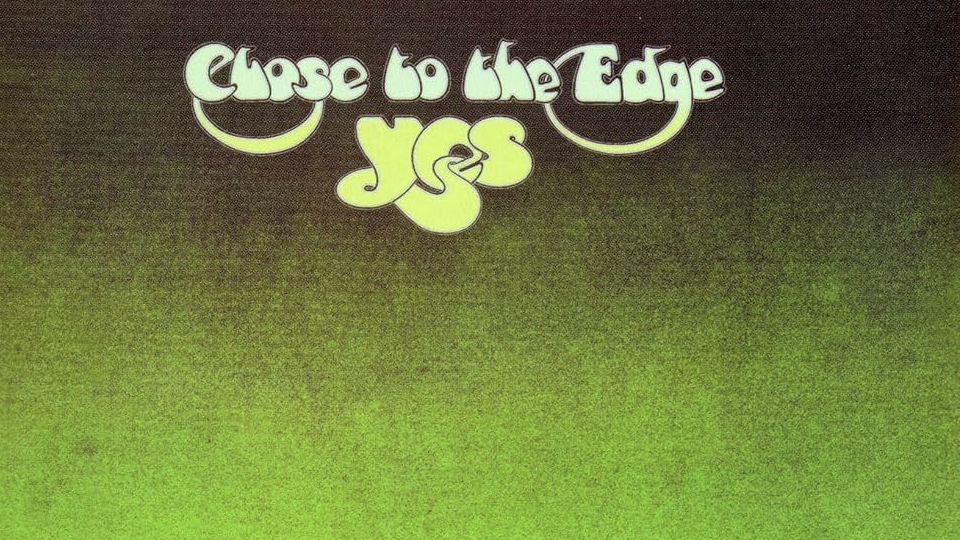
By their fifth studio album, Close to the Edge (1972), the guardrails were pretty much off. It’s literally only three songs, with the evocative title track running nearly 19 minutes and taking up an entire side. The project reached Number 3 on the charts.
However, the next project, 1973’s Tales from Topographic Oceans, began to put real strain on the band. Anderson’s overall concept for the double album was deeply dense and confusing (an interpretation of the esoteric Shastric scriptures). Plus, he really, REALLY wanted to record the whole thing … in the middle of a forest. After being vetoed, he brought cut-out animal and nature shapes into the studio.
As one does.

The album went gold, but critics and fans were stumped – and the rest of the band wasn’t happy. By 1974’s Relayer, Rick Wakeman had left, replaced by Patrick Moraz. For the next few years, the band released several more albums, but personnel frequently changed.
By 1981, the band had broken up. Steve Howe formed Asia with prog alumni Carl Palmer (ELP) and John Wetton (King Crimson), and Geoff Downes (The Buggles). They had a couple of hits, including “Heat of the Moment.”
Chris Squire and Alan White joined forces with Trevor Rabin and former Yes keyboardist Tony Kaye to form a new band called “Cinema.” Legal reasons forced them to change the name, so they went back to the Yes brand.
Jon Anderson had been doing a solo thing with artists like Vangelis and Jean-Luc Ponty, but returned for 1983’s 90125. That project produced their biggest commercial hit, “Owner of a Lonely Heart,” which reached #5.
Founding member Chris Squire passed away in 2015, but the band has continued to perform and record using varying lineups. Their 24th studio album, Aurora, is due in June, with Steve Howe helming the project.
But for a certain sweet spot in the 70s, Yes took us not just “close to the edge,” but right over it, into completely unique musical territory.
-Cindy Grogan
Fair use image of Close to the Edge







Lovely stuff.