Follow us

Appreciating Dwight Yoakam
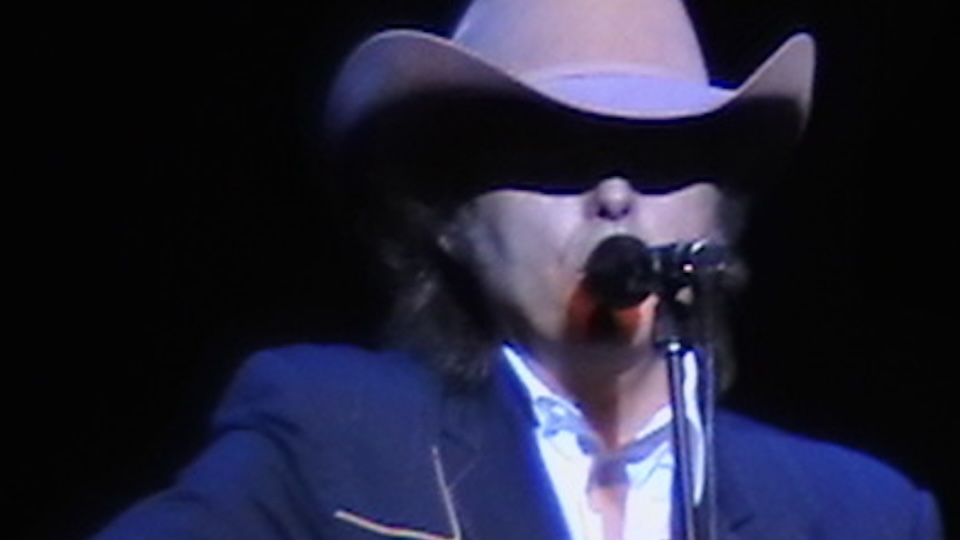
Doing some “rabbit hole exploring” on YouTube, I came across a relatively recent interview with Dwight Yoakam. His clarity, self-awareness, and strength were on full display, so it seemed a good time to reflect on what makes him so special.
Dwight Yoakam has always been one of those rare artists who feels both timeless and defiantly individual. He’s a country singer who never fit neatly into Nashville’s boxes, a songwriter who fused honky‑tonk with rockabilly swagger, a performer whose stage presence is as iconic as his music, and an actor who brought surprising depth to each of his roles.
But beyond the résumé, Yoakam inspires a particular kind of affection — the kind reserved for artists who carve their own lane and stay relentlessly true to it.

Here are a few reasons why Dwight Yoakam continues to elicit such enduring love.
- He Revitalized and Reimagined the Authentic Bakersfield Sound
When Yoakam burst onto the scene in the mid‑1980s, mainstream country was leaning heavily toward polished pop production. Yoakam went the other direction. Drawing from the Bakersfield sound — the raw, twangy, electric‑guitar‑driven style pioneered by Buck Owens and Merle Haggard — he brought grit back to country music. His debut album, Guitars, Cadillacs, Etc., Etc. (1986) didn’t just introduce him; it reintroduced an entire tradition to a new generation of both country and rock fans.
What made Yoakam’s revival so compelling was that it wasn’t nostalgic mimicry. He modernized the Bakersfield aesthetic with rockabilly rhythms, sharp songwriting, and a distinctive tenor that cut through the mix like a steel guitar. His early albums — Hillbilly Deluxe and Buenas Noches from a Lonely Room — all hit No. 1 on the Billboard Top Country Albums chart, proving that authenticity could still top the charts.
Yoakam didn’t just honor the Bakersfield sound; he expanded it, making it feel urgent and alive again.
- His Voice Is Instantly Recognizable — and Emotionally Devastating
Some singers have range. Dwight Yoakam has an identity.
His voice — a high, quivering tenor with a plaintive edge — is one of the most unmistakable in American music. It’s a voice built for heartbreak, for lonesome highways, for the ache of leaving and being left. Even when he’s singing upbeat honky‑tonk numbers, there’s a vulnerability woven into the phrasing that makes the songs feel lived‑in.
Yoakam’s vocal style is rooted in tradition but never derivative. It carries echoes of Hank Williams and Buck Owens, yet it’s unmistakably his own. That emotional clarity is part of why songs like “A Thousand Miles from Nowhere,” “I Sang Dixie,” and “Streets of Bakersfield” (his No. 1 duet with Buck Owens) remain staples of country playlists decades later.
His voice doesn’t just deliver lyrics — it inhabits them.
- He’s a Songwriter Who Blends Honky‑Tonk Heartbreak with Rock ’n’ Roll Attitude
Yoakam’s songwriting has always been a balancing act between tradition and rebellion. He writes classic country themes — heartbreak, longing, wanderlust — but infuses them with an edge that keeps them from ever feeling dusty.
His lyrics are deceptively simple, often built around clean, direct storytelling. But beneath the surface, there’s a sharp emotional intelligence. “I Sang Dixie,” for example, is a masterclass in narrative songwriting, while “Guitars, Cadillacs” is both a breakup song and a sly critique of the music industry.
Yoakam also has a knack for choosing and reinventing covers. His interpretations of songs by Johnny Horton, Elvis Presley, and even Queen show his range and his respect for musical history.
He’s a songwriter who understands that country music is both a tradition and a living, evolving art form.
- He’s a Multi‑Hyphenate Talent: Actor, Director, and Cultural Icon
While many musicians dabble in acting, Yoakam took it seriously — and it showed. His performance in Sling Blade remains one of the most chilling portrayals of an abusive antagonist in modern film. He brought nuance to roles in Panic Room, Red Rock West, and Wedding Crashers, proving he could shift from menacing to comedic to heartfelt with ease.
He even wrote and directed South of Heaven, West of Hell, a bold, unconventional Western that reflected his artistic ambition.
Yoakam’s crossover success wasn’t a side project; it was an extension of his creative identity. His acting roles deepened his cultural footprint and introduced him to audiences who might never have encountered his music otherwise.
And then there’s the image: the hat pulled low, the hip‑hugging jeans, the swaggering stance. Yoakam’s visual presence is as iconic as his sound — a reminder that style, when authentic, becomes part of the art.

- He’s a Road Warrior Who Still Gives Everything on Stage
Nearly 70, Yoakam remains a relentless touring artist, bringing his Cosmic Roundup and Rodeo Tour to fans across the country. His shows are energetic, tight, and emotionally generous — the kind of performances that remind audiences why live music matters.
His commitment to touring is so strong that even a frightening in‑flight emergency couldn’t keep him from making it to a recent show in Lubbock, Texas. His plane experienced a mechanical failure that forced an emergency takeoff abort, delaying his arrival by nearly two hours. Yoakam later apologized directly to fans, explaining the situation and expressing gratitude for the pilots’ professionalism.
The incident underscored something longtime fans already knew: Yoakam is dedicated to his craft and to the people who show up to hear him. He’s old‑school in the best way — a performer who believes the show must go on, and who treats his audience with respect.
- He’s Collaborated with Legends — and Inspired New Generations
Yoakam’s career is a testament to the power of collaboration. He’s worked with Beck, k.d. lang, John Mellencamp, Ralph Stanley, and members of Alison Krauss & Union Station. His duet with Buck Owens on “Streets of Bakersfield” didn’t just revive Owens’s career; it cemented Yoakam’s place as a bridge between eras.
Younger artists — from alt‑country bands to Americana singer‑songwriters — cite him as an influence. His blend of roots authenticity and modern edge helped pave the way for the Americana movement, long before the genre had a name.
Yoakam isn’t just part of country music history; he’s part of its evolution.
- He’s Uncompromisingly Himself
Perhaps the biggest reason people love Dwight Yoakam is that he has never tried to be anything other than Dwight Yoakam. He’s an artist: through and through
He didn’t chase trends. He didn’t soften his sound to fit radio formats. He didn’t abandon his roots when Nashville shifted toward pop. Instead, he doubled down on what made him unique — the twang, the swagger, the storytelling, the Bakersfield bite.
That kind of artistic integrity resonates. Fans can sense when an artist is authentic, and Yoakam has built a four‑decade career on that trust.
In an era of carefully curated celebrity personas, Yoakam’s straightforwardness is refreshing.
- He’s Still Creating, Still Evolving, Still Relevant
Yoakam isn’t a legacy act resting on past hits. His 2024 album Brighter Days showed that he remains a creative force, blending classic country textures with fresh songwriting.
He continues to tour, record, collaborate, and surprise audiences. His longevity isn’t just a testament to talent — it’s a testament to curiosity, discipline, and love for the craft.

- He Represents a Certain Kind of American Mythos — Without the Clichés
Dwight Yoakam embodies the spirit of the American troubadour: the wanderer with a guitar, the storyteller shaped by highways and honky‑tonks, the artist who carries the past into the present without being trapped by it.
But unlike many who lean into that myth, Yoakam avoids caricature. His music is grounded, human, and emotionally real. He sings about heartbreak without melodrama, about longing without sentimentality, about place without nostalgia. It’s yet another sign of his fierce intelligence.
He’s a mythic figure who feels entirely authentic — a rare combination.
- Because Loving Dwight Yoakam Means Loving the Full Spectrum of Country Music
To love Dwight Yoakam is to love the Bakersfield sound, honky‑tonk tradition, rockabilly fire, and the restless spirit of American roots music. It’s to appreciate the artists who came before him and the ones he inspired. It’s to value authenticity over polish, storytelling over spectacle, and emotional truth over formula.
Yoakam’s career is a reminder that country music is bigger, deeper, and more diverse than stereotypes suggest. He’s a gateway artist — someone who draws listeners in with his charisma and keeps them with his craft.
In the End
We love Dwight Yoakam because he’s an original — a singular voice in a genre that can sometimes forget how much it needs them. He’s a keeper of traditions and a creator of new ones. He’s a performer who gives everything, a songwriter who tells the truth, an actor who surprises, and a cultural figure who endures.
Most of all, we love him because he makes music that feels alive. Dwight Yoakam isn’t just part of country music. He’s part of its soul.
-Al Cattabiani
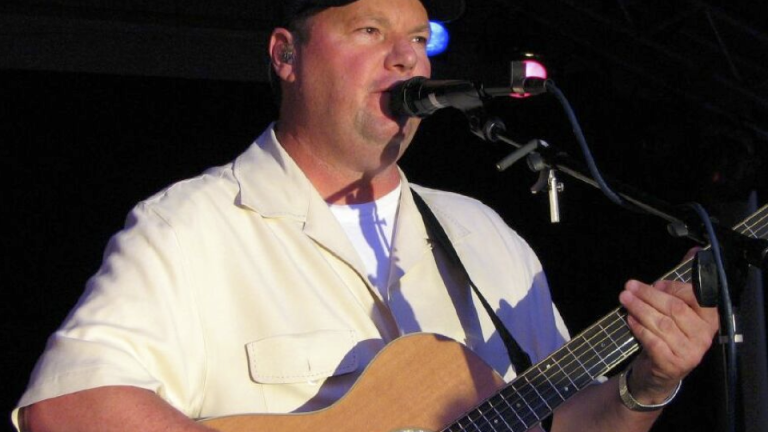
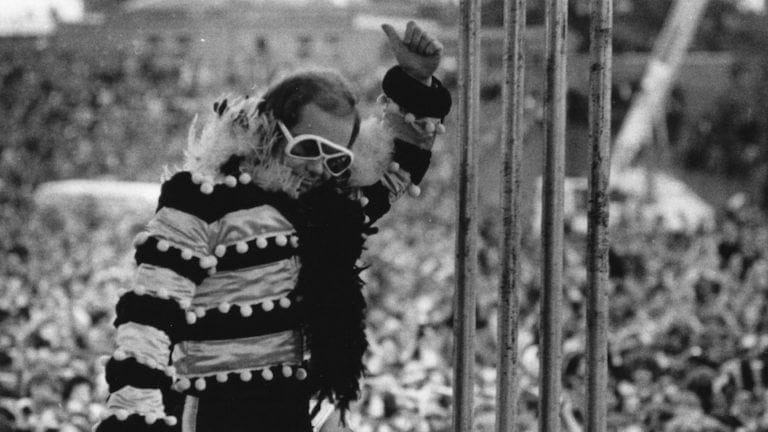
Photo: NeilEvans at English Wikipedia, Public domain, via Wikimedia Commons






Great stuff. Definitely one of the last of guys that put out old school country. Plus he played a nasty villain in Panic Room!