Follow us

Bob Dylan: How He (and Others) Sing His Songs
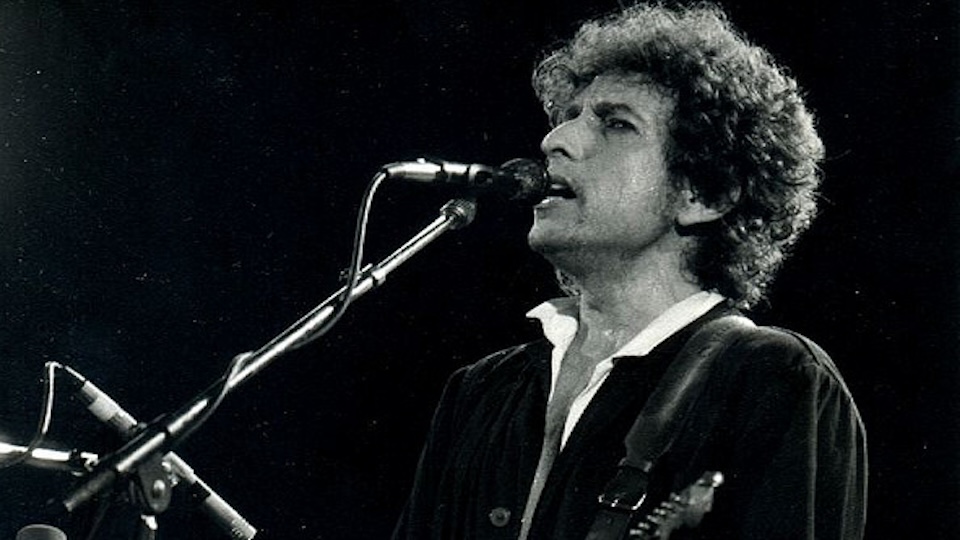
For every fan of Bob Dylan’s vocals, there’s a dissenter; that’s not the strange part. What’s odd is that admirers who love his voice also sometimes hate it — and then love it again.
His own vocal changes — and how artists have covered his songs — have earned both positive and negative praise over the six decades he’s been in the spotlight. His vocal strengths can efficiently carry tunes, especially on studio recordings. His live performance, on the other hand, can be anyone’s guess.
It’s interesting to hear the different approaches other artists use on Dylan songs. Here are five covers for review.
Adele – “To Make You Feel My Love”
One remarkable aspect of Dylan’s singing is in his approach. Adele does this also. How will she sing it? What words or phrases will be accented? Adele’s version of Dylan’s “To Make You Feel My Love” is filled with warmth and longing, while Dylan’s is righteous and haunting.

The Byrds – “Mr. Tambourine Man”
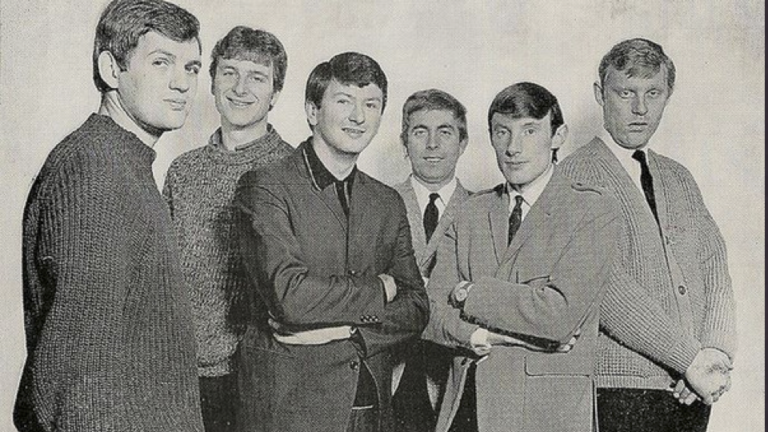
This mid-sixties classic seems to have always existed. Dylan wrote and sang it as a dazzlingly poetic folk ballad. The Byrds added harmony vocals, electric guitars, electric bass, and drums to produce a top hit. It’s an example of how Dylan’s troubadour solo metamorphosed into harmonious choral bliss.
Rod Stewart – “Tomorrow Is a Long Time”
Dylan’s version is on his Greatest Hits – Volume Two is stunning in an understated way. His singing is hushed; the mood has a late-night sad feel. This is Dylan mournful, yet sweet. Rod Stewart’s version has his trademark throaty delivery and emphasizes the desperation of the lyrics. It’s a double-tracked vocal that satisfyingly hits all the right places.
Ian & Sylvia – “The Mighty Quinn”
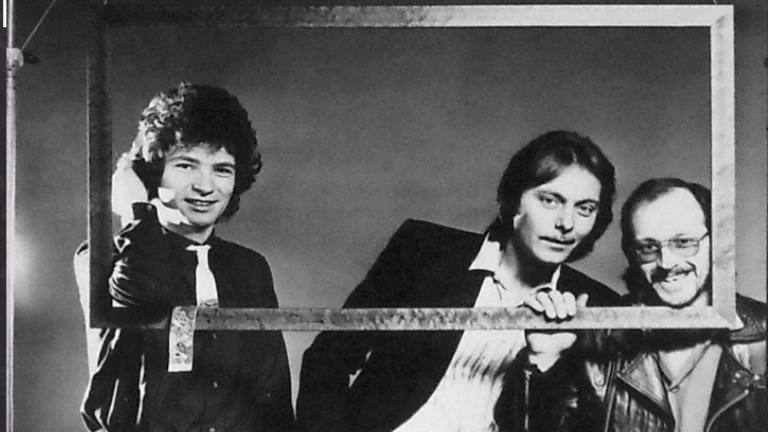
Dylan’s cartoon creation, “The Mighty Quinn,” is a lightweight delight. He sings it as a slow country ditty and keeps it loose. Manfred Mann’s recording sped it up considerably, turning it into a popular hit. Ian & Sylvia’s version, which did not get as much attention, deserves to be heard. The harmony singing is wistful and lovely. Ian Tyson’s lead vocal gives the song a touching yet silly urgency. What makes Quinn mighty anyway?

Bob Dylan – “Copper Kettle”
While not penned by Dylan, it’s been performed by countless folk performers. In its own way “Copper Kettle” was like “House of the Rising Sun,” which seemed to have been recorded by everyone in the sixties.
Joan Baez and Joni Mitchell both perform wonderful versions of this song, but neither has the warmth that Dylan gives it as released on Self Portrait. Although the production is lush, it does leave space for Dylan’s expressive telling of a “moonshine tale.”
He hits the lyrics with a mannered precision and keeps a somber mood that never turns maudlin. He captures the subject’s yearning for simpler times that are gone, with defiance, anger, pride, love, and longing. It’s simply one of Dylan’s finest vocal recordings.
-Vincent Maganzini
Photo: Bob Dylan (Xavier Badosa, CC BY-SA 3.0 <https://creativecommons.org/licenses/by-sa/3.0>, via Wikimedia Commons)