Follow us

Sneak of the Week: Sammy Walker’s “Catcher in the Rye”
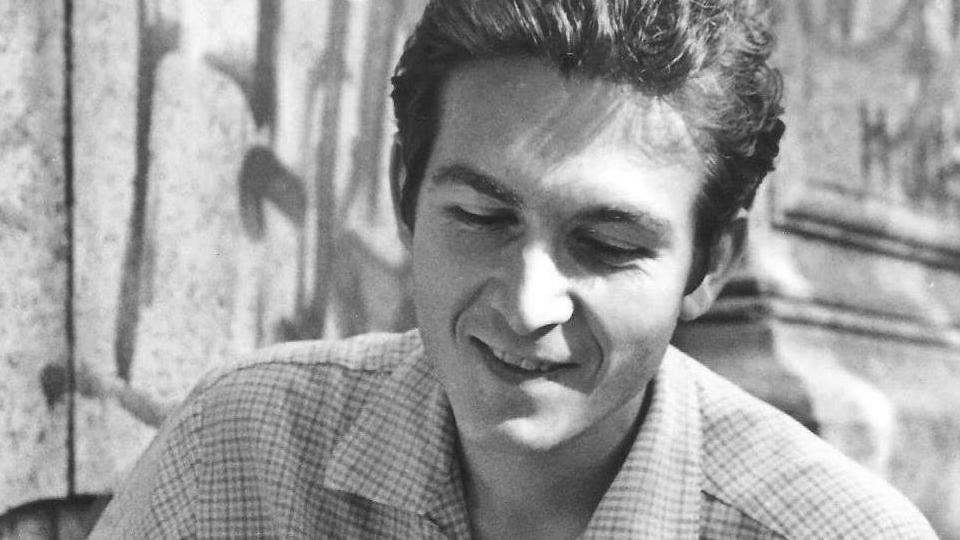
Sammy Walker never aimed to be the next Woody Guthrie or Bob Dylan, but people in high places saw him as both.
Sammy Walker was a part of the singer/songwriter universe for which Dylan was the Big Bang. So, he couldn’t help but have some things in common with Bob, like his free-range folk-rock sound and his penchant for combining poetic visions with homespun vernacular. In certain ways, he was more Dylan than Dylan himself—he came by his Georgia country-boy vocal tone naturally, whereas the young Minnesotan Dylan worked overtime to adopt a weedy, just-plain-folks singing style that would make him sound like he had just tumbled out of Harry Smith’s seminal Anthology of American Folk Music.
The clear but unintentional similarities between Sammy and Bob might have been part of what drew Phil Ochs to him upon hearing Walker’s demo. Ochs and Dylan had famously fallen out, and the former could have been eager to find someone worthy of supplanting his former buddy. But the quality of Walker’s work was incontestable as well. Whatever the motivations, Ochs helped the young Georgian (about a dozen years Ochs’s junior) to sign with Folkways Records, a mainstay of the Village folk scene.

Folkways released Walker’s Ochs-produced debut album, Song for Patty, in 1975. In keeping with the label’s audio-verité aesthetic, it was basically a man-and-guitar record. Tucked away towards the end of the album was a song that would be re-recorded soon after, when Ochs helped Walker leap up a giant step to a Warner Bros record deal.
In the meantime, legendary folk music manager Harold Leventhal (The Weavers, Woody Guthrie, Pete Seeger, et al) reached out to Walker, who had covered Woody on Song for Patty, to star in the Hal Ashby-directed Guthrie biopic Leventhal was producing, Bound for Glory. Unfortunately, Ashby had other ideas and insisted upon David Carradine instead.
Walker’s self-titled 1976 WB release, overseen by heavy-duty producer Nik Venet, featured a regal array of session players, including guitarist Waddy Wachtel, James Burton on dobro, Dan Dugmore on pedal steel, bassist Lyle Ritz, drummer Jim Gordon, and more. They contributed to a richly realized blend of folk, rock, and country. Finishing up the album’s first side in a version far more fleshed out than on Walker’s debut is “Catcher in the Rye.”
In retrospect, Walker sounds roughly as reminiscent of fellow “new Dylan” John Prine as he does of Bob on the steady-rolling tune. His earthy tones are framed by plangent piano riffs and deft dobro twang as he unspools a lyric that bears all the wide-eyed wonder of a song like “Mr. Tambourine Man” but adds a touch of trepidation.
In tune with the novel that gives the song its name, “Catcher in the Rye” presents a portrait of the artist as a young man besotted with the possibilities of the world stretched out before him but already feeling prematurely weary of the tribulations he’s only just begun to encounter along the way. It may start out from a solitary perspective, but when the massed harmony vocals kick in on the chorus, it turns downright anthemic.

Walker made one more excellent album for Warner the following year (though neither one has ever been reissued in the US) and another for Folkways in ‘79 before dipping below the record-biz radar for years. New material would finally appear in the next millennium on albums like Old Time Southern Dream and Misfit Scarecrow, but even if his first few albums were the end of the story, what Walker did in the ‘70s is more than enough to settle his place in posterity.
-Jim Allen
Photo: Publicity photo (for editorial use only)