Follow us

A New Look at Ringo’s Solo Career
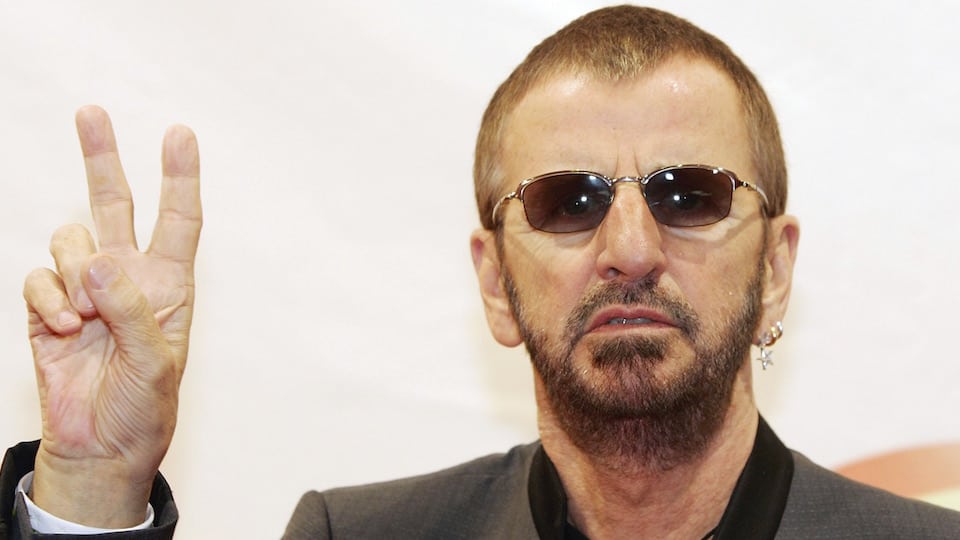
When The Beatles split up in 1970, the smart money was on Paul McCartney’s solo career, given his penchant for melody. John Lennon was similarly creative, especially on his first trilogy, and George Harrison baffled everyone with the beautiful Living in the Material World in 1973. It seemed that only drummer Ringo Starr – with just two songwriting credits and little more vocal spots to his name – would struggle, but he, too, enjoyed a level of commercial acclaim throughout the 1970s.

By the time the singing percussionist issued his fourth record, Starr was happy to tackle the world at large. “With Goodnight Vienna,” author Aaron Badgley writes, “the guests did not overshadow Starr, and the absence of Beatle reunions helped focus the spotlight more on Starr himself.”
The excellent Ringo Starr Solo Career: Got to Pay Your Dues examines Starr’s post-Beatle work, complete with an intro by Ruth McCartney (Paul’s stepsister). In her piece, McCartney writes that she was struck by the author’s affection for the subject, a selling point that will appease fans tired of that hackneyed “Ringo wasn’t even the best drummer in the band” line.
Badgley addresses his bias early in the book, stating that the drummer won him over at a drive-in screening of Help! His admiration is clear, but it doesn’t stop him from peering at an uglier side of the artist; the irony that someone with as large an appetite for drugs should sing the “No No Song” isn’t lost on the journalist.
What emerges from the book is a man keen to explore different sides of himself. In Sextette, he starred with Timothy Dalton and Mae West, adding a romantic comedy to his CV. It was a dreadful movie, leading Dalton to joke it was “more of a museum piece,” yet Starr remembered it fondly because working with West was “dynamite.”
A desire to rediscover his childhood soundtrack through Sentimental Journey had further pathos when, in the 21st century, he celebrated his native hometown on Liverpool 8. An appetite for Country music manifested in Beaucoups of Blues, a record Lennon felt “less embarrassed” listening to than other Starr tunes. The drummer was hesitant about flying to Nashville to spend months on the album, only to be told that Country musicians worked much faster.
Lennon, like Harrison, was keen to work with the drummer; “I’m The Greatest” presented something of a mini group reunion with only Paul McCartney absent from the tune. Written by Lennon, the composition suited Starr far more; “the song doesn’t sound arrogant or bragging, just charming.” It featured on Ringo (1973), and Lennon wound up writing the Goodnight Vienna title track as he busied himself on Walls & Bridges.
All the while, Starr never lost his way as a percussionist, performing beside Faces guitarist Ronnie Wood during stints at Midnight Show and The Last Waltz. In Ringo Starr Solo Career: Got to Pay Your Dues doesn’t dwell too heavily on the drummer’s drinking habits, and rightly so, as the music should always come first in biographies.

Out of the quartet, Starr was arguably the most affected by the Beatles’ breakup, losing out on his “three brothers.” Starr got to jam with two bandmates at Eric Clapton’s wedding, with Denny Laine filling in for Lennon’s rhythm guitar. By 1995, the surviving members collaborated on an unfinished demo, “Free as a Bird,” anchoring the piece with flashy guitars. Reliable as ever, Starr kept a steady beat.
In Badgley’s fine book, the drummer comes across as something of a maverick, yet Ringo Starr has always been a rock of constant support.
-Eoghan Lyng
Photo: Getty