Follow us

Sneak of the Week: Paul Siebel, “Pinto Pony”
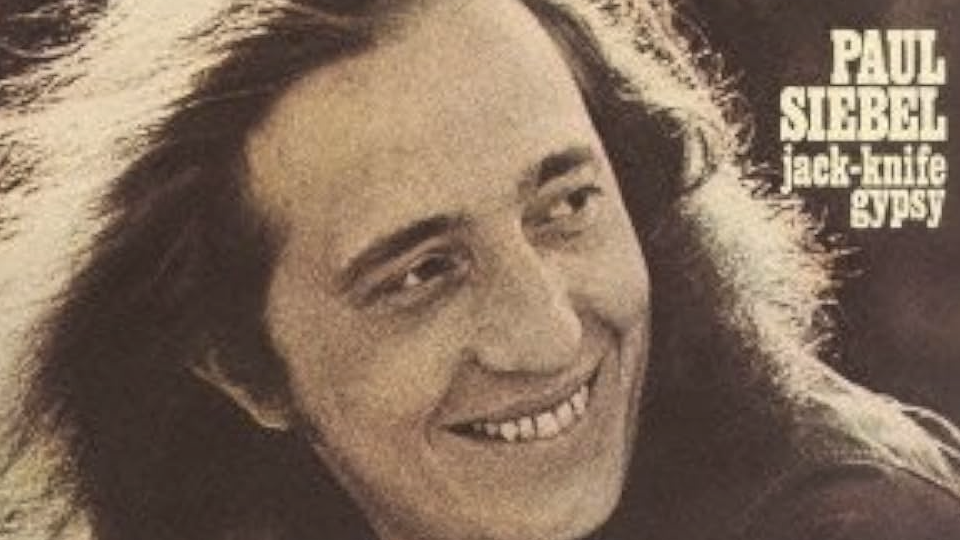
An outlaw tale with a wicked twist from a country-rock renegade.
In the early ‘70s, when country rock was the coin of the realm, one of its most potent poets flew below the mainstream radar. Paul Siebel came out of Buffalo, NY to make a name for himself on the Greenwich Village folk scene in the late ‘60s. With a voice like Bill Monroe square-dancing with Jimmie Rodgers, and a songwriting style like Nashville Skyline Bob Dylan woodshedding with Rainer Maria Rilke, he made enough of a splash to wind up on Elektra Records. But he’s always been best known by other people’s recordings of his work.

His song, “Louise,” a bittersweet ballad about the death of a prostitute, was cut by Linda Ronstadt, Bonnie Raitt, Leo Kottke, and dozens of others, making it a coffeehouse folk standard.
But 1970’s Woodsmoke & Oranges, the album containing Siebel’s own version, remained an underground phenomenon. And the 1971 follow-up, Jack-Knife Gypsy, made even less of a stir.
Artistically, both records put Siebel on a par with Townes Van Zandt, John Prine, or any other country/folk singer/songwriter contemporaries you’d care to name. And there’s an impressive roster of hotshots backing him on his second LP, including future Eagle Bernie Leadon, Byrds guitar legend Clarence White, mandolin virtuoso David Grisman, Nashville pedal steel titan Buddy Emmons, and L.A. session star Russ Kunkel on drums.
Unlike its predecessor, Jack-Knife Gypsy didn’t have any tracks that inspired scads of cover versions. But cut for cut, it might actually have the edge over the debut on all fronts: performance, production, and songwriting. And one of its most slyly haunting tunes is the allegorical honky-tonker “Pinto Pony.”
Over a back-porch moonshine stomp, Siebel’s keening, countrified wail delivers a bit of old-school outlaw balladry about a doomed desperado at odds with a small Texas town, and the prized horse he rides. It’s a short, ostensibly simple story, but with a writer like Siebel, there’s always another layer.
In this case, things seem open to any number of interpretations—without dropping any spoilers here, “Pinto Pony” could be a commentary on heartless opportunism, a parable about envy, or a metaphor for something closer to contemporary society (at least circa 1971). But whichever way you take it, Siebel’s Western saga comes loaded with a punchy mandolin solo from Grisman and an abundance of ear-tickling twang to edge things along.

Unfortunately, Jack-Knife Gypsy would be Siebel’s final studio release. Maybe he was too country for the folk crowd or vice versa, or too East coast for the SoCal cosmic country scene, or too old for the ageist Woodstock generation (He was — gasp! — past 30 when he made his first record). Whatever the reason, Siebel’s career never quite clicked in correlation with his gift. He kept performing for several years but never made another album. In 1980, a European import LP recorded at a 1978 show closed out his discography.
Paul Siebel left us at age 84 in 2022, but thankfully, his music remains easily accessible today. Seek it out and tear into it—if all you’ve heard of his catalog is “Louise,” you’ve got some revelations in store for you.
-Jim Allen
Fair use image