Follow us

The Fifth Dimension: An Appreciation
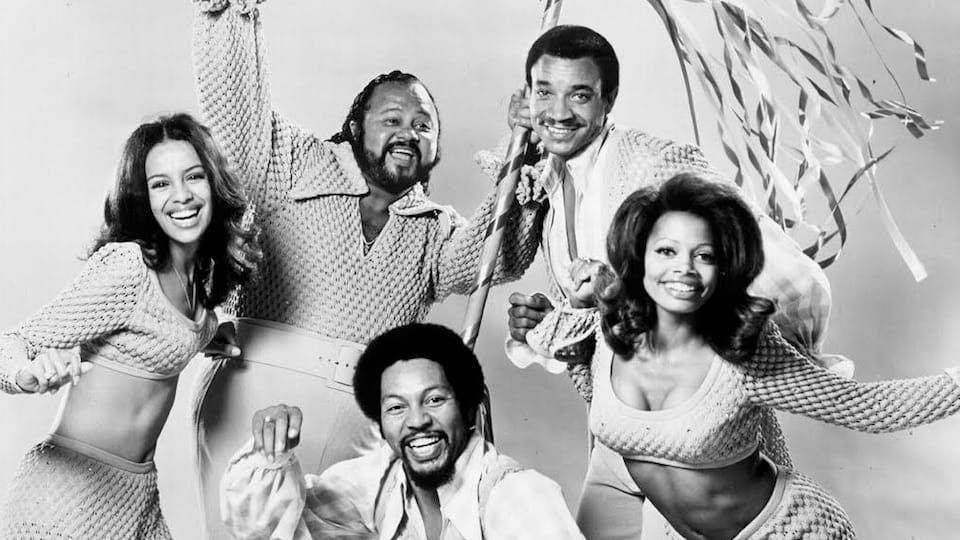
Lamont McLemore saw beyond the horizon– literally. Beginning his professional life as an aerial photographer, he moved through the worlds of fashion and music, ultimately blending his many talents into the landmark group, The 5th Dimension. McLemore just passed away at the age of 90, which warrants a deeper look at the impact the group had on the culture.
McLemore’s talent led him to be hired as the first black photographer for the sophisticated fashion magazine Harper’s Bazaar. He shot for Jet, Playboy, and Ebony.

As a staff photographer for Motown, he dipped into the music world, doing the cover for Stevie Wonder’s first album. That Motown connection would later come in handy when he decided to form a vocal group. An early version of the group got the opportunity to record some demos for the label, but head Berry Gordy wasn’t impressed. Ultimately, singer Johnny Rivers (“Secret Agent Man”) would sign them to his own label.
After some slight tweaking, the final version of the group included Ron Towson, Billy Davis, Marilyn McCoo, and Florence LaRue. McLemore had met both women when photographing them as contestants in a “Miss Black Beauty” pageant.
Each member brought distinct musical leanings. McLemore had been part of a jazz vocal group that had opened for Ray Charles. Towson was an aspiring opera singer, while Davis wanted a career in R&B. It all melded beautifully into a sophisticated, polished sound the group dubbed “champagne soul.”
Towson and his wife came up with the name “The 5th Dimension,” which was perfectly positioned for the changing perceptions of the 60s. After a lackluster debut, they recorded the ebullient Jimmy Webb song “Up, Up and Away,” which reached #7 in 1967 and earned them five Grammys.
They followed that with Laura Nyro’s “Stoned Soul Picnic,” which hit #3 in 1968.
But it was 1969’s “Aquarius/Let the Sunshine In” that took them to another level. And it almost didn’t happen.
In New York City, Billy Davis, Jr. left his wallet in a cab. A member of the production team for the hit counterculture musical, Hair, found and returned it, inviting the group to see the show. Upon hearing the song, they knew it was for them. It became the biggest single of that year.
With their polished sound, many listeners first thought the Fifth Dimension was a white group. Critic David Brown notes, “For a brief period in the late 1960s, [they] fully-realized the post-racial crossover success that [Motown’s] Gordy had imagined for his stars, while raising the legitimate question of what it means to sound Black in music.”
In the 2021 documentary, Summer of Soul, Marilyn McCoo noted the frustrating nature of that question. “We were constantly being attacked because we weren’t ‘black enough.’ Sometimes we were called the black group with the white sound, and we didn’t like that.”

The aforementioned documentary covered what was dubbed “the black Woodstock,” the July 1969 Harlem Cultural Festival. “That’s one of the reasons why performing in Harlem was so important to us,” said McCoo. “We wanted our people to know what we were about, and we were hoping they would receive us.” Over six days, the festival drew 300,000 attendees; the appearance of the Fifth Dimension drew 60,000 alone.
From Motown and the Fifth Dimension to Michael Jackson and Whitney Houston, so many black artists have been tasked with how to present cultural identity in a more “market-friendly” way. But as McCoo noted in Summer of Soul, “Our voices sound the way they sound…how do you color a sound?”
With twenty Top 40 hits, 14 Gold, 6 Platinum records, and 6 Grammys, the success of the Fifth Dimension helped put that question to rest.
RIP Lamont McLemore.
-Cindy Grogan
Photo: public domain