Follow us

The 1976 Albums That Refuse to Die
Jimmy Carter’s about to become the U.S. president, the Concorde just started commercial flights, and somewhere in a dimly lit studio, David Bowie is crooning about the Golden Years while completely out of his mind on cocaine. The year was 1976, and rock music was having what can only be described as a collective creative seizure—the good kind, the kind that produces art so enduring it makes you wonder if everyone involved had accidentally tapped into some cosmic frequency.

Fifty years later, these albums still drill straight into our natural dopamine supply. Walk into any Guitar Center on a Saturday afternoon, and you’ll hear some teenager fumbling through “More Than a Feeling” while their dad nods approvingly. Check Spotify’s rock playlists, and there’s “Hotel California,” racking up streams from people who weren’t even born when CDs replaced vinyl. These aren’t some nostalgic artifacts gathering dust in the cultural attic; they’re living, breathing documents that sound more vital with each passing year.
Consider the sheer audacity of what emerged that year. Rush decided that what rock really needed was a twenty-minute dystopian suite about individualism versus collectivism, complete with passages in 7/8 time. 2112 shouldn’t have worked—prog rock about Ayn Rand-inspired philosophy performed by three Canadian nerds—yet it became the blueprint for every ambitious rock album that followed. Neil Peart’s drums on “Overture” still sound like they’re announcing the arrival of some musical deity.
Meanwhile, Aerosmith was busy proving that American bands could be just as debauched and brilliant as their British counterparts. Rocks was pure swagger distilled into vinyl, Tyler and Perry so strung out they were practically communicating in pharmaceutical Morse code, yet somehow channeling that chaos into “Back in the Saddle” and “Last Child.” It’s the album that made every garage band in America think, “Yeah, we could probably do that,” while completely missing that the secret ingredient was equal parts talent and near-death experience.
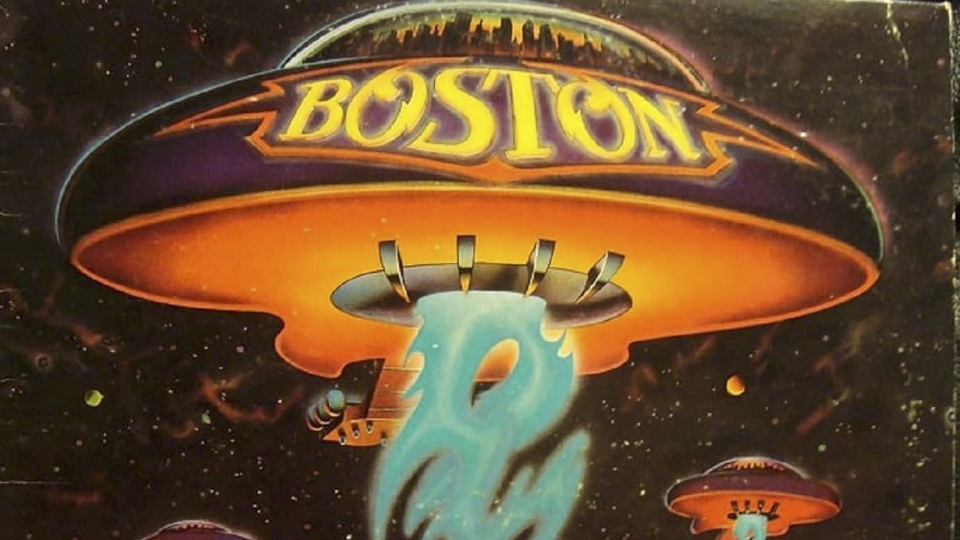
Boston’s debut was the polar opposite. Tom Scholz, an MIT-trained engineer, basically built the perfect rock album in his basement like some sort of mad scientist. He spent six years tinkering with “More Than a Feeling” until it achieved a production so pristine it made other bands’ recordings sound like they were performed through tin cans. The irony is, this meticulously crafted studio perfection became the anthem of raw American rock radio.
Then there’s Bowie’s Station to Station, recorded during what he later called his “darkest days,” though you’d never know it from the music’s crystalline brilliance. The Thin White Duke persona was Bowie at his most austere and European, crafting ten-minute epics like the title track that moved from krautrock to soul to an entirely otherworldly entity. He claimed to have no memory of recording it, which either speaks to the depths of his pharmaceutical adventures or suggests the album was channeled from some alternate dimension where funk and fascism dance a tricky tango.
Led Zeppelin’s Presence arrived like a telegram from rock’s dark heart. No acoustic interludes, no mystical folk wanderings, just Jimmy Page’s guitar sounding like it was plugged directly into the apocalypse. “Achilles Last Stand” remains ten minutes of proof that even when the band was imploding, they could still summon thunder.
The Eagles, those chroniclers of California ennui, delivered Hotel California, an album so precisely crafted it feels less recorded than architecturally designed. The title track alone, with its lyrics about excess and entrapment that nobody fully understands but everyone thinks they do, became the “Stairway to Heaven” of the ’70s back half. Don Henley and Glenn Frey had perfected the art of making disillusionment sound luxurious.

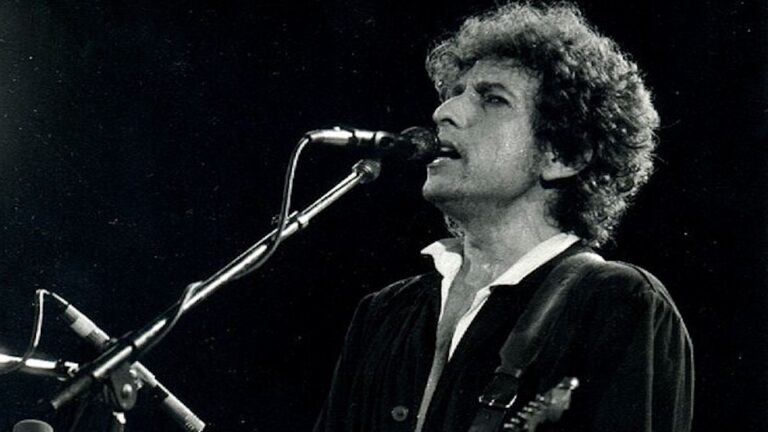
And then there’s Bob Dylan’s Desire, one of my personal favorites from that miraculous year. While everyone else was either ascending to Mount Olympus or descending into various hells, Dylan was telling stories. “Hurricane” spins Rubin Carter’s tale with the urgency of breaking news. “Sara” lays his marital dissolution bare with a vulnerability that made Blood on the Tracks look coy by comparison. Jacques Levy’s theatrical co-writing and Scarlet Rivera’s violin transformed Dylan’s sound into something cinematic, proving that even after going electric, going country, and going born-again, he still had new territories to explore.
The question isn’t why these albums endure—it’s why they seem to grow stronger with age. Perhaps it’s because 1976 represented peak album-as-art-form, that sweet spot before punk’s necessary demolition and disco’s commercial dominance. These weren’t collections of singles with filler. No, they were complete statements, sonic novels meant to be absorbed whole.
Will people still be listening in 2076? Consider that we’re still performing Bach’s Brandenburg Concertos (1721), still moved by Beethoven’s Ninth (1824), still studying Mozart’s Requiem (1791). If Vivaldi’s “Four Seasons” can survive three centuries and counting, if Pachelbel’s Canon can outlive its composer by 400 years and become wedding reception wallpaper, then surely “More Than a Feeling” and “Hotel California” have another fifty years in them.
Music that captures what’s essential about being human doesn’t age. It waits for each new generation to discover what it means to feel infinite with passion and possibility.
-Staci Layne Wilson
Fair use image of Boston




For my money, Station To Station is Bowie’s only perfect album. In a career not known for equilibrium, it balances all the things he’d been and all the possibilites better than anything before or after.
I was 15 in 1976, so I’m of the demographic that should be saying “Hell yeah” to all of this, but my reaction is mixed. Boston’s debut (and Scholz’s music generally) is rock with all the rough edges removed; Aerosmith’s “Rocks” is more like it. “Golden Years” remains a delight; the rest of “Station to Station” I haven’t given enough time to. “Presence” is Led Zeppelin in decline. I don’t “hate the Eagles, man,” but I think I’ve heard about enough of “Hotel California.” Listening to Dylan always feels like homework to me, so I’ve never listened to “Desire.” And I didn’t start to like Rush until “Permanent Waves,” when Geddy stopped screeching and the song structures got tighter.