Follow us

The One-Hit Wonder File: “Black Betty”
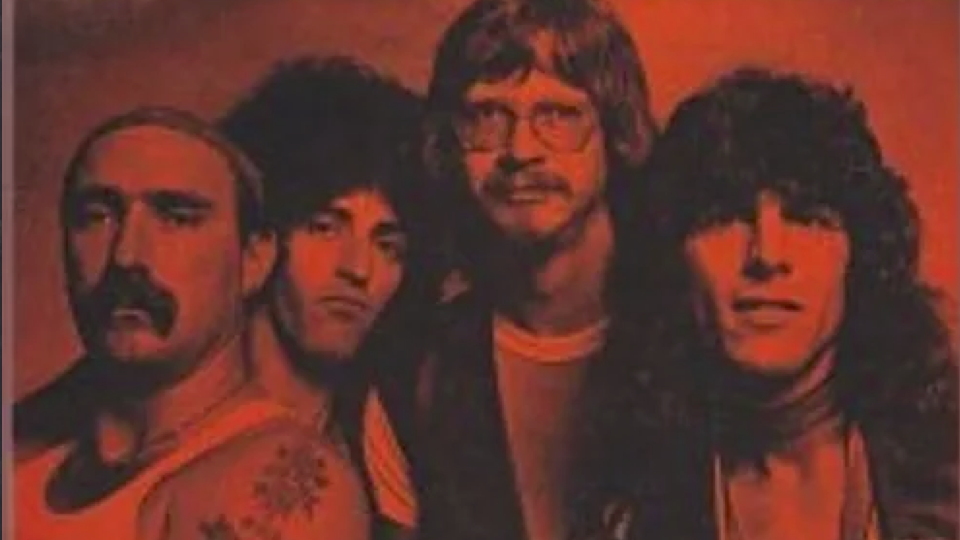
It’s that “bam-ba-lam” song.
One never knows the magic sauce that brings a one-hit wonder into the zeitgeist. In the case of Ram Jam’s “Black Betty,” it was a brilliant mush of circumstances.
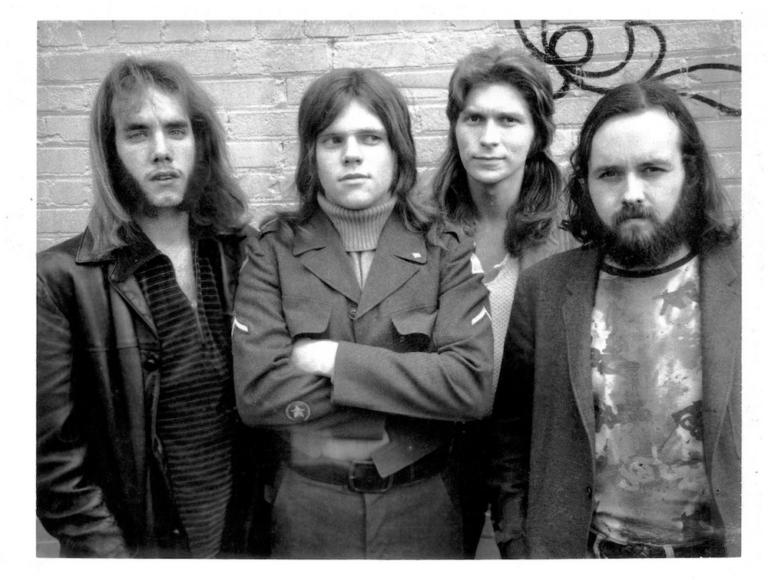
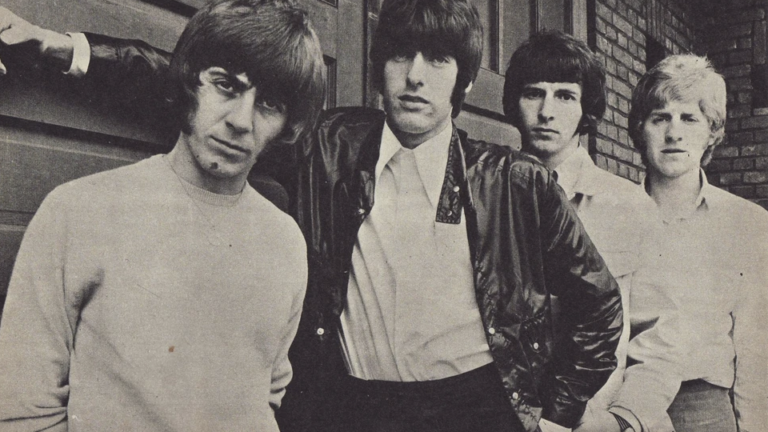
It began with a New York-based band helmed by Bill Bartlett. He’d been intrigued by an African-American work song with roots in the slavery days. A 1939 rendition by blues icon Leadbelly mesmerized him enough that he did a cover with his former band, Starstruck. This garnered them some attention.

Recording executives Jerry Kasenetz and Jeffrey Katz took notice and helped Bill Bartlett start a new band with the tasty name of “Ram Jam.” Ram Jam took this soulful track, with its backdrop of controversial roots, honored it, but rocked it out to the next dimension.
“Black Betty” is an explosion of stunning guitar work, gutsy sped-up vocals, and explosive hand claps. The call-and-answer lyrics defy easy understanding and have an undertone of controversy that led the NAACP to try to get it boycotted.
Whoa, Black Betty! (Bam-ba-lam)
Whoa, Black Betty! (Bam-ba-lam)
Black Betty had a child! (Bam-ba-lam)
Damn thing gone wild! (Bam-ba-lam)
A boycott didn’t happen, but it did cut a lot of radio play on both the East and West coasts. Ultimately, the sheer rock brilliance of “Black Betty” won out and Ram Jam had themselves a verifiable one-hit wonder, peaking at #18 on the US Billboard Hot 100, #7 on the UK Singles Chart, and #3 in Australia.
Okay, so what – or who – is “Black Betty”?
The term itself goes as far back as the 18th century, where founding father Benjamin Franklin applied it to a bottle of booze.
No other past applications were about a woman of color, or about a woman at all; it was the name of the leather prison bullwhip used in 19th-century southern jails (the “bam-ba-lam” is thought to be an allusion to the sound it made). It was also a term for a jail transport vehicle, a hot rod car, and a black-painted musket.
Frontman Bill Bartlett made it clear that his muse for “Black Betty” was, in fact, a specific woman:1950s pin-up icon Bettie Page. Her hair, leather get-up, and whip were all black. “My version is about Bettie Page. She’s a pin-up queen from the ‘50s, and she was tops. She was my inspiration for the last two verses…music can be whatever you want it to be about. As long as you’re having a good experience listening to the music, I don’t care what you think it’s about.”
While there’s no doubt that Bartlett took Leadbelly’s 1939 a cappella study as inspiration, he turned it into a deliciously naughty ode to a pop culture queen. The guitar riffs and raucous hand claps made everyone snap to attention. It’s a nearly 4-minute jam that gets hips moving and hearts racing.

“Black Betty” is also a quirky treat for the eyes. The 1977 video is an absolute joy. The band is jamming in front of a sprawling home, looking like the coolest dudes at a Long Island, New York barbecue (it was, indeed, filmed in the town of Hicksville).
It was a straight shoot – not pricey, not much in the way of fancy filmmaking, just pure rock charisma, with a brief overlay of disco by way of fuzzy filters and vibe-y use of a gong.
Alas, Ram Jam didn’t score much after “Black Betty.” They made one more album (the clever and rather laboriously-named Portrait of the Artist as a Young Ram) that didn’t grab attention except, according to Goldmine, “it is among ardent hard-rock fans…a towering classic, a lost gem.”
The band went their separate ways, and Bill Bartlett expanded his instrumental skills to include becoming a terrific boogie-woogie pianist in the 1990s.
Ram Jam’s “Black Betty” remains a crowd-pleaser with its historic roots and hard rock heart. Subsequent covers arrived from Tom Jones, Manfred Mann, Larkin Poe, Caravan Palace, and many others. Even on Guitar Hero! It will never cease to thrill.
-Ellen Fagan
Fair use image