Follow us

An Early Moment of “Peak Beatles”
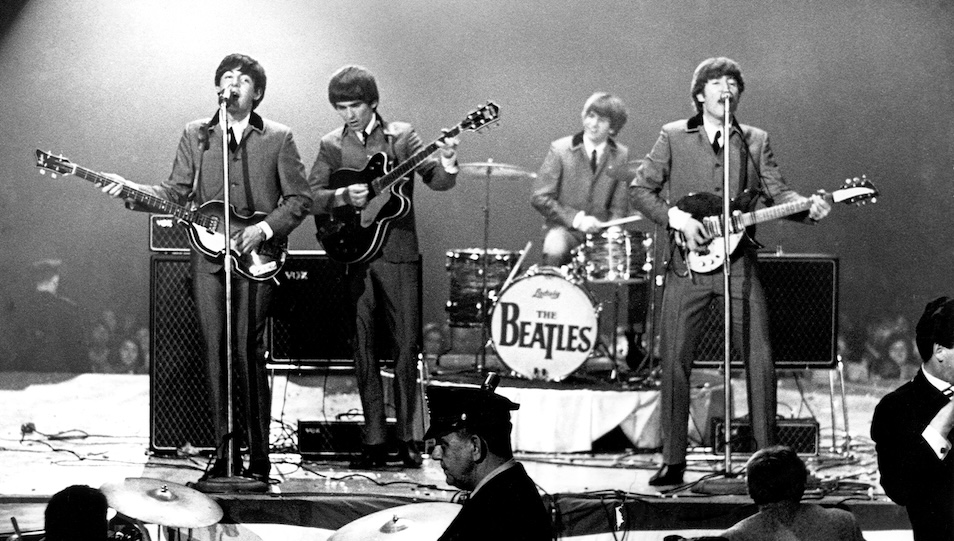
On February 11, 1964—less than 24 hours after conquering American television on The Ed Sullivan Show—the Beatles walked into the Washington Coliseum and delivered a performance that, in hindsight, feels like a perfect storm. It was raw, euphoric, chaotic, and strangely intimate for an event that helped ignite a cultural detonation. If there is such a thing as “Peak Beatles,” a moment when everything that made them extraordinary aligned before fame’s weight began to reshape them, the Washington Coliseum show is a compelling candidate.
It wasn’t their biggest concert. It wasn’t their most polished. It wasn’t even their most widely seen. But it captured something that would never exist again: four young men, bonded by years of grinding in clubs, suddenly realizing they had just conquered America—and playing like they couldn’t believe their good fortune.

This was the Beatles before the stadiums, before the exhaustion, before the studio cocoon, before the fractures. They were still a band in the most elemental sense: four friends who had survived Hamburg, Liverpool, and the British touring circuit, now standing in the center of the world’s attention with nothing but their instruments, their instincts, and each other.
The Washington Coliseum show is the Beatles at their most alive.
The Afterglow of Ed Sullivan: Riding the Wave of a Lifetime
To understand why the Washington show hits so hard, you have to start with the night before. On February 9, 1964, the Beatles appeared on The Ed Sullivan Show and instantly rewired American culture. Seventy‑three million people watched—an audience so large that crime statistics famously dipped during the broadcast. It was the kind of moment that artists dream about and almost never experience: a single performance that changes everything.
The Beatles knew it. They weren’t naïve about what had just happened. They had been building toward this for years—through the Hamburg residencies, the Cavern Club, the British tours, the relentless press, the escalating hysteria. But America was the final boss. If they could break America, they could break the world.
And they had done it.
The Washington Coliseum show took place in the afterglow of that triumph, when the adrenaline was still coursing through their veins. They were exhausted, jet‑lagged, and running on fumes, but they were also electrified by the realization that they had just achieved something huge.
You can see it in the footage: they’re giddy. They’re loose. They’re laughing. They’re playing like a band that has just been handed the keys to the kingdom and can’t wait to see what’s inside.

Still a Road‑Tight Touring Machine
One of the most striking things about the Washington show is how tight the Beatles sound. This is not the later Beatles of 1965–66, when the screaming crowds made it impossible to hear themselves and the band began to fray under the strain of touring. In early 1964, they were still a live unit in peak condition.
They had spent the previous three years playing constantly—sometimes three shows a day, sometimes seven hours a night. Hamburg had been a boot camp, forcing them to stretch their sets, improvise, and develop a stamina that few bands ever achieve. By the time they hit America, they were a machine.
But they were a machine with personality. They weren’t slick or choreographed. They didn’t have pyrotechnics or elaborate staging. They had energy, chemistry, and a shared musical vocabulary forged in sweat and cigarette smoke.
At the Washington Coliseum, you can hear the Hamburg edge still in them. The tempos are fast—sometimes absurdly fast. The guitars are crunchy and slightly out of control. Ringo is playing like a man possessed, driving the band with a ferocity that would mellow in later years. John’s rhythm guitar is a percussive engine. Paul is bouncing like a spring. George is laser‑focused, playing leads with a mix of precision and youthful swagger.
This is the Beatles before the studio innovations, before the orchestras, before the sitars, before the tape loops. This is the Beatles as a rock and roll band.
And they are on fire.
The Hamburg Snarl: A Nearly Punk Beatles
One of the most overlooked aspects of the early Beatles is how aggressive they could be. We tend to remember the suits, the smiles, the harmonies, the charm. But underneath all that was a band that had cut its teeth in some of the roughest clubs in Europe.
Hamburg had been a crucible. They played to drunken sailors, gangsters, and sex workers. They played until their fingers bled. They played loud because they had to. They played fast because the crowds demanded it. They learned to command a room through sheer force of will.
That edge is all over the Washington show.
Listen to “I Saw Her Standing There.” It’s practically punk. The tempo is breakneck. Paul is shouting more than singing. John is slashing at his guitar. George is racing to keep up, and Ringo is pounding the kit like he’s trying to break it.
Even the ballads have bite. “All My Loving” is crisp and urgent. “This Boy” has a rawness that would disappear once they became studio perfectionists.
The Beatles of 1964 were not yet the polished icons of A Hard Day’s Night or the psychedelic explorers of Revolver. They were a band with something to prove, and they played like it.
Not Yet Jaded: Fame Without the Fatigue
Another reason the Washington show feels like Peak Beatles is that it captures them before fame began to take its toll.
By 1965, the Beatles were already showing signs of burnout. The constant touring, the screaming crowds, the lack of privacy, the pressure to produce hit after hit—it all began to wear them down. By 1966, they were done with touring altogether.
But in February 1964, they were still enjoying the ride.
They were still surprised by the scale of their success. They were still delighted by the crowds. They were still amused by the chaos. They were still having fun.
You can see it in their faces during the Washington show. They’re smiling constantly—not the forced smiles of celebrities, but the genuine smiles of young men who can’t believe what’s happening to them.

Here’s the whole show. The primitive setup; the sense of wonder; the raucous energy. It’s all there – and still fresh more than 60 years later.
They joke with each other between songs. They tease the audience. They laugh when the rotating stage forces them to reposition their gear mid‑show. They’re not yet insulated from the world. They’re not yet exhausted by fame. They’re not yet burdened by the expectations that would later define them.
This is the Beatles before the weight of being “The Beatles” set in.
Four Friends Leaning on Each Other
Perhaps the most poignant aspect of the Washington Coliseum show is how much the Beatles still relied on each other. They were not yet four individuals with diverging artistic visions. They were a unit.
Their friendship is palpable. They move as one. They communicate with glances and grins. They lean into each other’s microphones. They share the spotlight effortlessly. There is no ego on display—just camaraderie.
This is especially evident in the way they handle the rotating stage. The setup was awkward: the band had to physically turn their amps and drums every few songs to face different sections of the audience. Instead of being annoyed, they treat it like a game. They help each other move equipment. They laugh at the absurdity. They make the best of it.
It’s a reminder that before they were legends, they were friends. They had survived the same hardships. They had shared the same dreams. They had built something together that none of them could have built alone.
The Washington show captures that bond in a way that later performances do not.
Of course, it could not last.
Within months, the Beatles would become bigger than any band had ever been. Within a year, they would be global icons. Within two years, they would be exhausted. Within three, they would stop touring. Within six, they would break up.
But on February 11, 1964, none of that had happened yet.
They were standing on the edge of history, looking out at a world that had just opened its arms to them. They were young, hungry, and unstoppable. They were playing the music they loved with the people they loved. They were living a dream they had barely dared to imagine.
If that’s not Peak Beatles, what is?
-Al Cattabiani
Photo: The Beatles at the Washington Coliseum on February 11, 1964. Photo by Michael Ochs Archives/Getty Images



Feb. 11, 1964 was 48 hours after they played live on The Ed Sullivan Show Feb. 9th!