Follow us

Can We Talk About “Lolita Pop”?
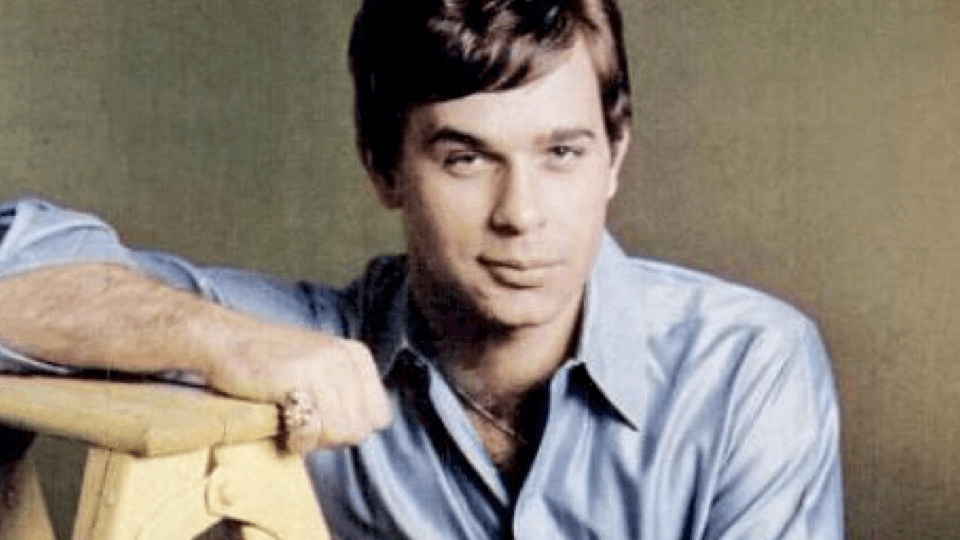
With the recent death of Lou Christie, it was a chance to revisit his big hit, “Lightnin’ Strikes” (1965). He had a great voice (that falsetto!), a perfect girl chorus, and all the bells and whistles to deserve its #1 hit status.
But can we talk about the lyrics? Basically, Lou is begging his sweet girlfriend to allow him his uncontrollable urges to Hit That — just not with her (yet).
“Listen to me, baby, you gotta understand
You’re old enough to know the makings of a man
Listen to me, baby, it’s hard to settle down
Am I asking too much for you to stick around?”
This revelation led us down a rabbit hole of other great ’60s pop songs that are seemingly innocent, but with a definite “ick” factor when you dig a little deeper. Older dudes with younger girls is a theme that’s not new to movies, literature, and music. In this context, let’s call it “Lolita Pop.”

Take Gary Puckett and the Union Gap. They had a great presentation, and Puckett had pipes for days. But 1968’s “Young Girl”? A guy is begging a tempting Lolita to please “get out of [his] mind” because his love is “way out of line.” Just how “young” IS she? Are we talking To Catch a Predator young? I have questions.
Even wholesome teen idols Bobby Sherman (RIP) and Donny Osmond took a tiny bite at that apple. Sherman sang, “Hey, little woman…you’ve got to come into my world and leave your world behind,” while an earnest Osmond begged, “Go away, little girl” because “you’re too hard to resist.”
Neil Diamond wasn’t immune to the appeal of a young girl coming into her own…eventually. “Girl, You’ll Be A Woman Soon” is more about her making up her own mind to date this bad boy, but you might not get that at first from the title alone.
The appeal of Lolita Pop goes back to Chuck Berry singing about a “teenage wedding.”
And in 1961, Elvis observed: “Well, I used to pull your pig tails/And pinch your turned-up nose/But you been a-growin/And baby, it’s been showin’ from your head down to your toes.”
It could make the next Thanksgiving Dinner, um, awkward.

Back in the day, the arrangements and the artists themselves were able to paper over the slightly scandalous subtext of songs like this. But when it gets right down to it, Lolita Pop is basically a pending felony charge that you can dance to.
-Cindy Grogan
Photo: Lou Christie (public domain)








And lest we forget Ringo’s “You’re Sixteen” (This ’74 video is abominable) and “Chritine Sixteen” by KISS.
UN-comfortable.
John, I was just noting the creepiness of Ringo’s take on that song a couple days ago.
But the ‘winner’ for me will always be “Into the Night” by Benny Mardones.
“She’s just 16 years old … I’d take you into the night / And show you a love / Like you’ve never seen, ever seen.”
Realize that Ringo was covering a hit from the very early 60’s, and that the original singer was far closer to 16 when he sang it than Ringo was when he sang it. Besides, who is to say that the original singer or writer isn’t pretending to be a 17-year-old boy in the song? That’s how I always took it.
What about that huge hit for the Knack; My Sharona? “I always get it up for the touch of the younger kind.” Ewww
Lolita pop is certainly ick nowadays, but I Googled and got this: “In 1960, about two-thirds of states allowed 18-year old women to marry without parental consent and marriage at that age was not uncommon. The median age of first marriage for women was below 21 for most of the 1960s.” Chuck Berry singing about a teen marriage was social commentary when he wrote the song.
Let’s keep in mind that “Sweet and Innocent” Donny Osmond (and he actually was) was the ripe ol’ age of 13 when “Go Away Little Girl” was released in 1971.