Follow us

How One Man Rescued The Beatles’ Sullivan Appearance
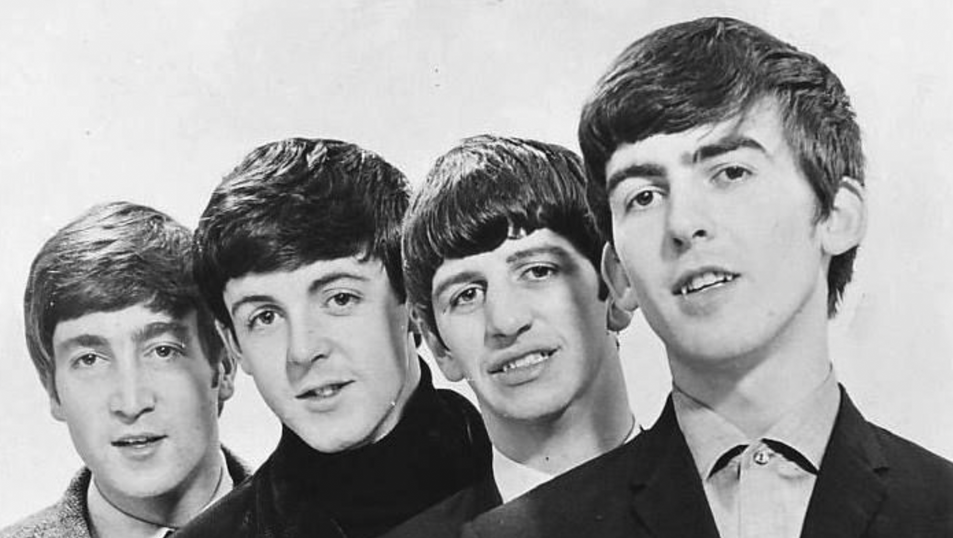
On February 9, 1964, 73 million Americans witnessed pop culture’s Big Bang. Yet that historic debut nearly didn’t happen.
It was a 12-word pitch to Ed Sullivan by a forgotten middleman that saved the day.
Here are some mind-dazzling stats about that night:
- An estimated 60% of all televisions in use across the country were tuned to CBS to watch the band.
- There were 50,000 ticket requests for 728 seats.
- The Beatles’ manager, Brian Epstein, masterfully negotiated a deal for The Beatles to perform on three consecutive Sunday nights for a total of just $10,000.
Compared to other acts, which could earn up to $20,000 per episode, it is widely considered the greatest financial deal in the history of television.
Yet how The Beatles got to play on Ed Sullivan’s show has two sides: myth and reality.
The myth: The Heathrow Airport discovery
History credits Ed Sullivan’s instincts and an airport encounter. The urban legend goes like this: Ed Sullivan first heard about The Beatles on October 31, 1963, at London’s Heathrow Airport.
Sullivan was at the airport with his wife and 1,500 screaming teenagers who were welcoming The Beatles home from a tour.
When Sullivan found out the teens were screaming for The Beatles, he asked: “Who the hell are The Beatles?”
Once he learned how popular The Beatles had become in England, he decided to book the band on his show.

The reality: A yearlong strategy
The reality goes like this: it took a year to convince Sullivan to book The Beatles on his show. It was a high-stakes puzzle solved by a forgotten middleman, Peter Prichard.
And it all nearly collapsed just weeks before the first “yeah, yeah, yeah!” was heard.
The man in the shadows: Peter Prichard
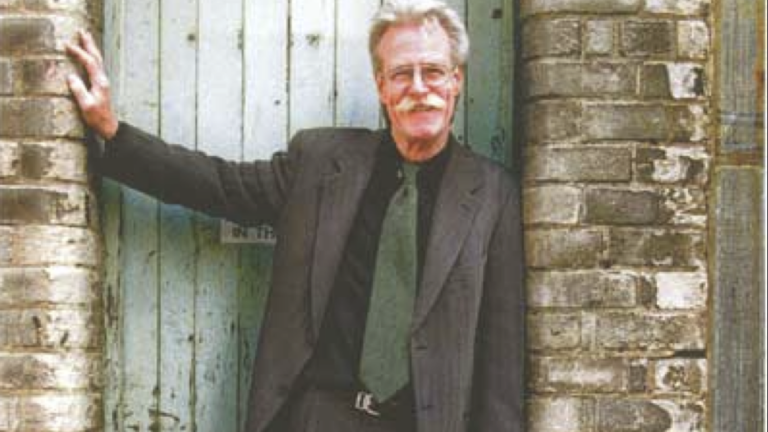
The person truly responsible for the Ed Sullivan booking was Peter Prichard, a London theatrical agent and Sullivan’s European talent coordinator.
Prichard was also a trusted friend of The Beatles’ manager, Brian Epstein.
While Sullivan’s talent booker, Jack Babb, saw the band in the summer of 1963 and “didn’t get it,” Prichard spent months sending Sullivan news clippings to pique his interest.
Sullivan is hesitant to book “British nobodies”
By September 1963, The Beatles were receiving tremendous British press through radio and television coverage. Their crowning achievement was their November 4, 1963, appearance at the Royal Command Performance.
This is the performance where, before their closing number, “Twist and Shout,” John Lennon notoriously said, “For our last number, I’d like to ask your help. Would the people in the cheaper seats clap your hands? And the rest of you, if you’ll just rattle your jewelry.”
On November 5, 1963, Brian Epstein flew to New York
Epstein, along with Billy J. Kramer and his band, The Dakotas, flew to New York to promote their music.
During this time, Prichard called Sullivan to discuss The Beatles appearing on his show. Sullivan wasn’t convinced. He thought British bands hadn’t cracked the American market yet, so why bother?
Sullivan told Prichard he needed a hook to book and promote The Beatles on his show. Prichard delivered a masterstroke pitch, saying The Beatles were “the first long-haired boys to be invited to appear before the queen.”
Still on the phone, Sullivan decided to confirm the booking!
On November 11, 1963, Epstein met Sullivan in New York at the Delmonico Hotel. After a handshake, the deal was done.
Brian Epstein’s promise to Ed Sullivan
As part of the deal, Epstein had promised Sullivan the first and exclusive American television appearance of The Beatles.
By framing The Beatles through the lens of the Royal Command Performance, Prichard made the band a news-making phenomenon that Sullivan couldn’t ignore. But that’s not the end of the Prichard story.
Ed Sullivan was about to pull a surprise punch. And Prichard was about to pull a surprise response.
Jack Paar’s treachery and Sullivan’s cancellation order
In a significant television coup, Jack Paar scooped Sullivan by broadcasting a filmed performance of The Beatles on January 3, 1964. This broadcast was over a month before the live CBS debut.
Paar had purchased the BBC footage of “She Loves You” after seeing the band at the Royal Command Show.
A furious Epstein threatened the BBC with the cancellation of the band’s radio programs for violating his exclusivity deal with Sullivan. When the BBC was unable to rescind the license, an enraged Sullivan called Prichard and left a message ordering Peter Prichard to cancel the band’s booking.
Prichard saved the historic appearance by strategically delaying his call to Epstein for several days.
Sullivan eventually cooled off as he realized the band was becoming a massive hot ticket. He retracted the order before Epstein ever knew the booking was in jeopardy.
This moment, just five weeks before the debut, could have changed music history forever.
How Prichard saved the show
Prichard, recognizing the group’s potential, deliberately waited a few days before contacting Epstein to finalize the cancellation. During this delay, Sullivan observed the rapid rise of “Beatlemania” in the United States through a significant news report by Walter Cronkite.
Realizing the band was becoming a highly sought-after act, Sullivan canceled his cancellation before Epstein had any inkling of the impending threat to the deal.
The forgotten architect of immortality
Sullivan’s producer, Bob Precht, later confessed, “Without Peter Prichard, The Beatles would never have graced The Ed Sullivan Show.”
Prichard embodies the “shadow history” of the “British invasion.”
He was a man who recognized that a well-timed delay could alter the course of history.
-Thomas Clifford
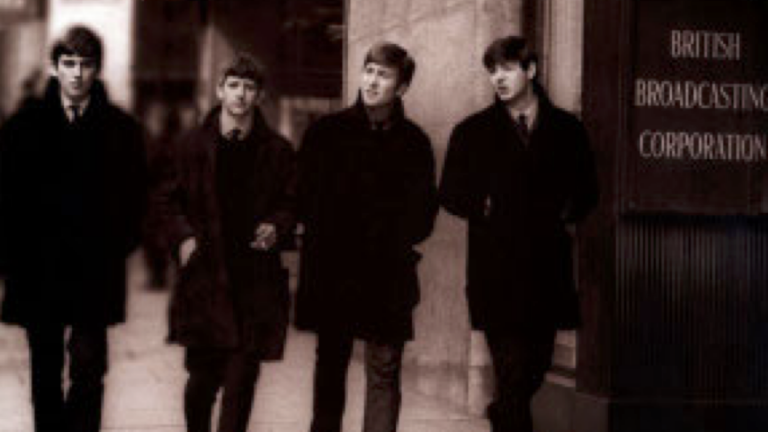
-Photo: The Beatles, 1963 (Wikimedia Commons)