Follow us

Earth, Wind & Fire: The Weight of the World
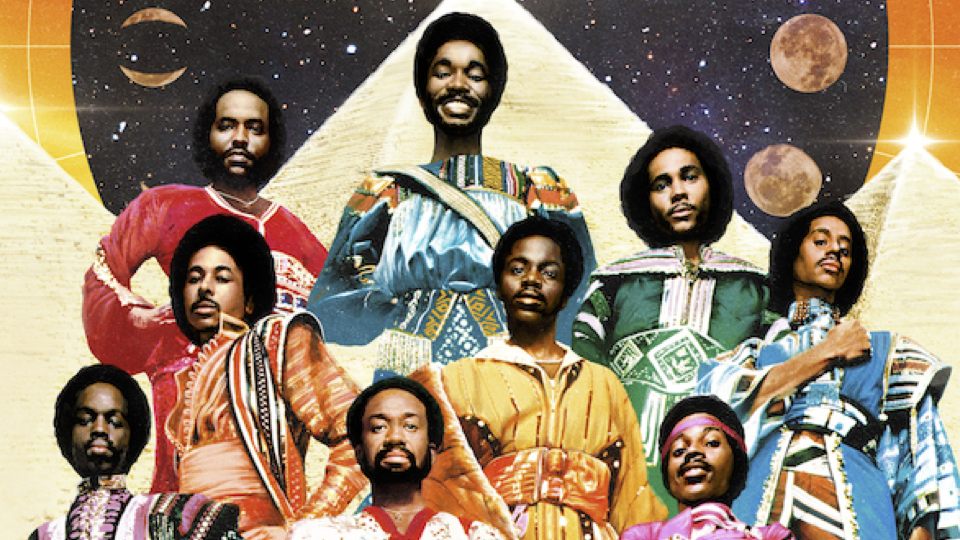
“Most people can’t see beauty and love. I see our music as medicine.” – Maurice White
If the music of Earth, Wind & Fire was “medicine,” the main person it was healing was Maurice White himself.
The new documentary, Earth, Wind & Fire: To Be Celestial vs. That’s the Weight of the World from Questlove (airing on HBO), traces White’s journey from abandoned child to founder of one of the most successful bands in history.
Every great artist starts somewhere, and like many creatives, White had a painful beginning. He was the only child of a teenage single mother in segregated Memphis, TN. When he was just 5, she made the difficult decision to leave her son with a neighbor, move to Chicago, and hopefully establish a better life for them both.

Echoes of the father who had abandoned them and a mother far away haunted White throughout his life and affected his relationships with both family and his bandmates.
Surrounded by the music of Memphis, he took to the drums, spending hours learning to play (a nod to his lifelong perfectionism). Eventually, his mother sent for him, and he joined a new family (including his younger brother Verdine). As he got older, he landed a job as a session drummer at the Windy City’s Chess Records, playing on singles, including “Rescue Me” by Fontella Bass.
He eventually hooked up with Ramsey Lewis, who was bringing jazz into prominence on the pop charts.
White joined Lewis’ trio, touring the world. He was so shy that he routinely set up his cymbals to hide his face. Although he was having great professional success, White had a different vision, and in 1969, he gave notice to Lewis.
Perhaps it was the times, perhaps it was his efforts at healing old wounds, but he’d been steeping himself in various books on metaphysics and the power of positive thinking. He began writing out his vision of the ultimate band. It would include jazz-like jams, spirituality, positivity; in other words, a full-on late 60s potpourri of ideas that also included new definitions of Black identity.
After a few early iterations, he settled on what would be the core lineup of Earth, Wind & Fire, which included brother Verdine on bass. Maurice was about 10 years senior to the other members; they each noted that he became a bit of a father figure.
There were ground rules: no drugs or booze, healthy food, meditation. At one of their earliest gigs in Philly, they shared the bill with several doo wop groups. Decked out in exotic dashikis, the crowd mocked them. They each sat down in the lotus position, tuning out the raucous boos. After a few minutes, they’d won the respect of the crowd and blew them away with their music. They were on their way.
Another turning point occurred after sharing a gig with George Clinton. Right after, the addition of guitarist Al McKay opened a new channel and led to their first big hit, “Mighty Mighty.” The sound was coming together, a blend of jazz, R&B, Afro rhythms, and now, funk.
Two platinum albums happened in 1973 and 74. In 1975, That’s the Way of the World achieved that status three times over. It spawned numerous hits, including “Shining Star” (which, we discover, inspired Stevie Wonder’s “I Wish”).
In the doc, Barack and Michelle Obama both note the power of EWF’s songs on the Black community, reframing how they saw themselves and inspiring big dreams.
Throughout his life, Maurice didn’t ingest substances; his particular “drugs” were perfectionism and ambition. The EWF tours continued to expand in scope, adding even more horns. He hired the choreographer from the Broadway hit, The Wiz, and top magician Doug Henning to create a unique stage show; at one point, Verdine White was playing his bass —hanging horizontally in the air.
Once Maurice started his own production and songwriting business, his attention became even more splintered. The band grew resentful, often being paid less than some of the roadies, and feeling less and less connected to their leader, their musical mission, and to each other.

The 80s brought changes, including in overall music tastes and in personnel who quit. Phillip Bailey had a huge solo hit (“Easy Lover”) with Phil Collins; Maurice White’s solo album barely registered, which spurred some self-reflection on his part. By the end of the decade, they regrouped, but the audiences were different.
Still, they persisted, and the 90s brought a resurgence. Artists were sampling their 70s hits. The music was featured in movies, commercials, and TV.
Sadly, White was diagnosed with Parkinson’s in 1992 and eventually stepped away from the band. That self-imposed retirement allowed him to mend fences with family members and colleagues he’d closed himself off from. By the time of his death in 2016, he’d found the peace he’d been chasing his entire life.
Earth, Wind & Fire: To Be Celestial vs. That’s the Weight of the World is another excellent contribution by Questlove. He doesn’t just recount their story; he uncovers the small, rich details that show exactly how they achieved White’s goal of bringing the world together. “Ba-dee-ah,” indeed.
-Cindy Grogan
Fair use image from Earth, Wind & Fire: To Be Celestial vs. That’s the Weight of the World (HBO)







The Miracle that Is Joni Mitchell