Follow us

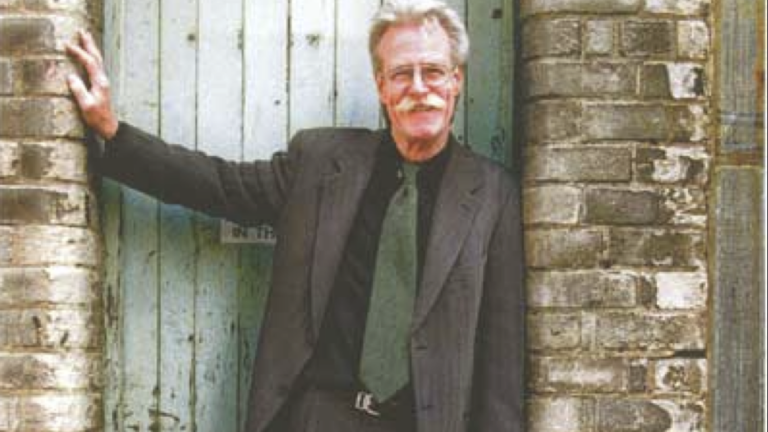
Mike Millard, the Greatest Bootlegger Since Capone
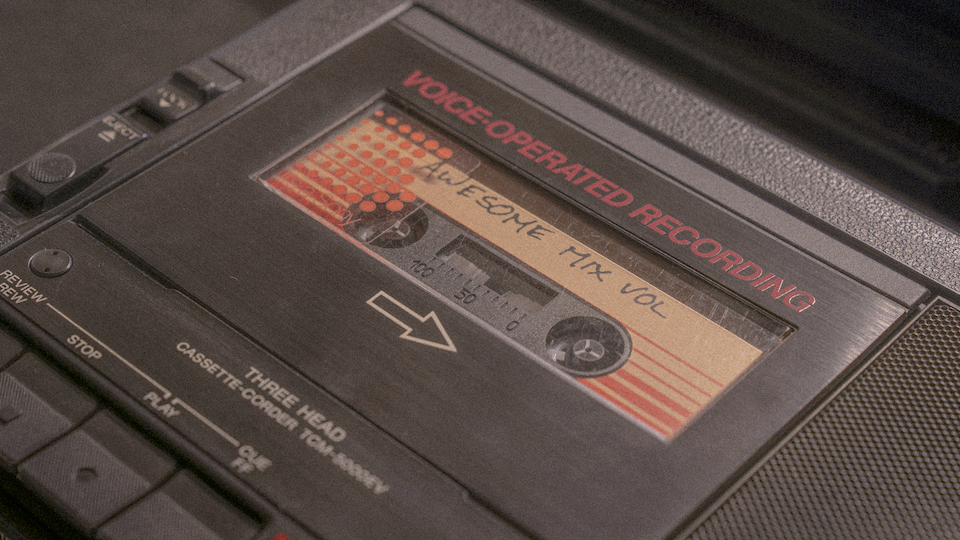
Buying a bootleg album of a rock concert in the 1970’s was akin to purchasing mediocre marijuana: they both resulted in buyer’s remorse upon the realization that the money had gone up in smoke. Indeed, the quality of some bootlegs, often recorded in cavernous concert halls with handheld cassette recorders, was as abysmal as movies later filmed from a theater seat, then sold as bootlegged DVDs.
Then along came Mike Millard, who earned the nickname of “the Mic” for his pristine and surreptitious recordings of historic concerts. A December 5, 2021, Rolling Stone article gushed: “If Pink Floyd ever decides to create a Bootleg Series, they should get their hands on Millard’s master tapes — starting with their April 26, 1975, Los Angeles gig. It’s the band at the peak of their abilities as a live act and deserves to be heard as widely as possible.” Four years later, EMI Records got the hint and released the concert as part of Wish You Were Here 50, a box set containing two CDs and four albums.

Mike was the Jesse James of live music thievery riding with Jim Reinstein, his partner in concert recording crime. Jim explained Millard’s wheelchair ride to bootlegging infamy: “Mike dug his dad’s wheelchair out of his garage. We stuffed the recorder (a phone-book-sized Nakamichi 550 tape recorder) into the seat. There was this gauntlet of security at (L.A.’s) Sports Arena, and there were guys that got busted with two joints.” Two AKG 451E microphones and batteries were concealed in a bag filled with clothes. Before a security guard could rifle through Mike’s dirty laundry, Reinstein recalled: “Mike would say, ‘Hey, I get digestive problems, and I need a change of clothes.’ He had a pair of boxer shorts on top, and the security wouldn’t look past that once they saw it was underwear.”
Then Jim pushed his hat-wearing friend into a bathroom. Once in the safety of a stall, Jim said, “I’d wire him from head to toe, with two microphones sticking out of his hat. The wires went down his shirt, through his pants, down to his boots.” Mike would then settle back in his wheelchair, and Jim would push him to his seat, where Millard continued his disabled act.
He’d press the “RECORD” button and hope that some self-important security guard didn’t notice the microphones against his hat. Before each show, Jim noted, “He would say to nearby fans, ‘Here’s my name and number. If you’re quiet, I’ll give you a copy of the recording.’ And out of over 350 shows, I think only one person did that.”
But some groups did not take kindly to being illegally recorded. Peter Grant, the 6’5”, 300+ pound manager of Led Zeppelin, was known to violently squelch any bootlegging attempts. There’s no record that the two Californians knew that Grant was charged with assault (later dismissed) for ceasing the recording operations of a bootlegger at a March 21, 1970, show in Vancouver’s Pacific Coliseum. But that didn’t stop the two fearless fans from recording ten Zeppelin concerts from the front row.
Mike and Jim didn’t bootleg for fortune or fame but merely for the thrill of capturing a band’s sound on tape. Reinstein confessed: “You get a rush out of it. And our reward at the end was a chest in the back of his car with Heinekens on ice. We would plug in the headphones, crack open a couple of beers, listen to the show, and go, ‘Cheers. We did it.’”
Unlike scores of other bootleggers, Mike’s tapes only wound up in the hands of trusted friends. To make sure he wasn’t bootlegged himself, Mike briefly faded down the sound in each tape and created a logbook that noted the slight auditory change. If a tape was leaked and released to make a buck, Mike would know who betrayed his trust.

But like many groups, the bootlegging boys broke up. Reinstein rationalized, “I had to give up the rock and roll lifestyle, because it’s not…to give you the G-rated version, I just had to get out of that, or else I’d be dead in a few years. I got married in 1986. Mike came to the wedding, and he sometimes came over to a barbecue or whatever at my house. But we stopped seeing shows together.”
But Mike couldn’t stop living the “rock ‘n’ roll life,” battling both a cocaine addiction and depression. It was a battle that sadly ended when Mike committed suicide at the age of 43 in 1994. But he left behind 900+ hours of music and countless admirers of his undercover method.
In an attempt to recreate the Millard/Reinstein experience, in 2019, the National group used a Nakamichi 550 to record two Greek Theatre shows in Berkeley, CA. The shows were released as a three-cassette box set called Juicy Sonic Magic on November 29, 2019. Reinstein wistfully remarked at the time: “If Mike would have known that we’re talking about him now…obviously, he’d still be alive.”
-Mark Daponte
Photo: Unsplash