Follow us

Rockabilly: The Sun‑Soaked Spark That Keeps Reigniting Music
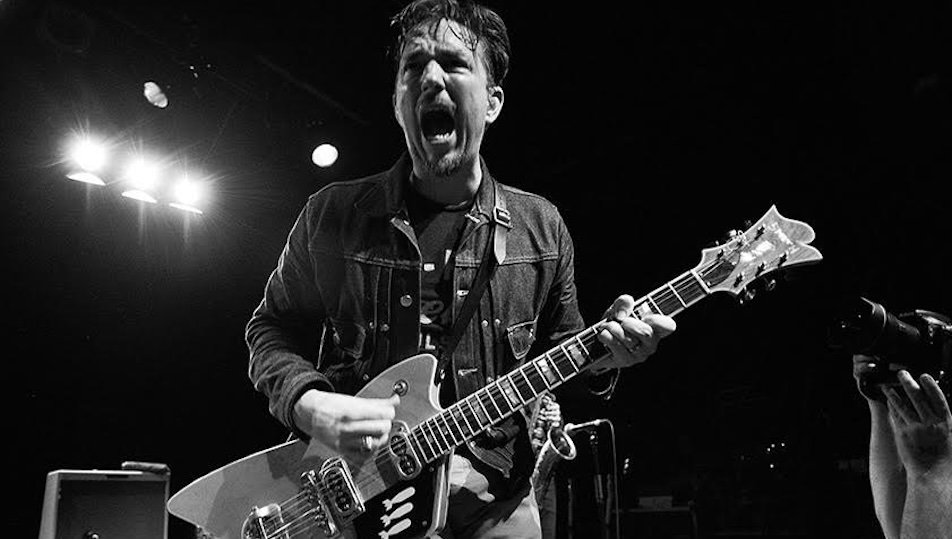
Rockabilly has always been the unruly kid in the rock ’n’ roll family — the one with the greased‑back hair, the twitchy leg, and the grinding guitar. Born in the mid‑1950s, revived with surprising force in the ’70s and ’80s, and still echoing through modern music, rockabilly remains one of America’s most durable sonic exports. It’s a story of rebellion, reinvention, and an indestructible beat.
The 1950s: Where Country Met Rhythm & Blues and Caught Fire
Rockabilly happened because a handful of Southern kids were soaking up country, gospel, and R&B in equal measure — and didn’t see any reason to keep them separate.
The epicenter, of course, was Sam Phillips’ Sun Studio in Memphis. Recognizing the racial barriers of the 1950s music industry, Phillips looked for white performers who could embody the feel of the Black music he championed — and he found several who would become foundational figures in rock ’n’ roll.
Elvis Presley’s 1954 recording of “That’s All Right” is often cited as the Big Bang. It wasn’t just the song — it was the attitude. Elvis wasn’t copying Black R&B singers; he was channeling them through his own hillbilly DNA. The result was something new, raw, and electrifying.
Then came Carl Perkins, whose “Blue Suede Shoes” practically defined the genre’s swagger. Jerry Lee Lewis added piano pyrotechnics and unhinged energy. Johnny Cash, though more restrained, brought the boom‑chicka‑boom rhythm that would become a rockabilly cornerstone.
And let’s not forget the outsiders: Wanda Jackson, the “Queen of Rockabilly,” whose growl on “Let’s Have a Party” proved the genre wasn’t just a boys’ club. Or Gene Vincent, whose “Be‑Bop‑A‑Lula” remains one of the coolest records ever cut.
By the late ’50s, rockabilly had seeped into the mainstream — but that also meant it was ripe for dilution. As the ’60s dawned, the British Invasion and more polished pop sounds pushed it to the margins. But rockabilly never really disappeared. It just waited for the next spark.
The 70s-80s Revival: Leather Jackets, Stand‑Up Basses, and a New Generation of Rebels
By the mid‑1970s, nostalgia for early rock ’n’ roll was bubbling up. Films like American Graffiti and the rise of oldies radio rekindled interest in the ’50s. But the rockabilly revival wasn’t just about looking backward — it was about injecting punk energy into a classic form.
Enter Robert Gordon, whose collaborations with guitar maestros like Link Wray, Danny Gatton, and Chris Spedding brought rockabilly back with a vengeance. Gordon wasn’t doing an Elvis impression; he was treating rockabilly like a living, breathing art form.
Then came the Stray Cats, the trio of American ex‑pats who found fame first in the UK. With Brian Setzer’s blistering Gretsch guitar, Lee Rocker’s slap bass, and Slim Jim Phantom’s stand‑up drumming, they made rockabilly feel dangerous again. Songs like “Rock This Town” and “Stray Cat Strut” weren’t retro — they were modern classics with a vintage engine.
Meanwhile, in the UK, the Rockabilly Revival scene collided with punk, giving birth to psychobilly — a mutant cousin that blended rockabilly rhythms with horror‑movie theatrics. Bands like The Cramps pushed the genre into the surreal, proving rockabilly could be as weird as it was wild.
Even mainstream artists got in on the action. Dave Edmunds and Nick Lowe (with Rockpile) infused their pub‑rock sound with rockabilly DNA. The Blasters, out of Los Angeles, brought a roots‑rock intensity that owed as much to Perkins as to punk.
Related: You might enjoy our appreciations of Dave and Nick
By the mid‑’80s, rockabilly was back in the cultural bloodstream — not as nostalgia, but as a vital, evolving force.
Rockabilly Today: Still Slapping, Still Swinging, Still Influential
Rockabilly’s modern influence is less about pompadours and more about an aesthetic.
The Americana movement — from Chris Isaak to JD McPherson — borrows heavily from rockabilly’s clean guitar tones and rhythmic snap. Isaak’s “Baby Did a Bad Bad Thing” is practically a noir‑rockabilly anthem. McPherson’s Signs & Signifiers could have been recorded in 1957 if not for its modern punch. JD’s most recent work is a master class in fusing influences across decades to create something that sounds both familiar and new.
The neo‑rockabilly scene remains vibrant, with acts like Reverend Horton Heat, Imelda May, and The Brian Setzer Orchestra keeping the flame alive. Setzer, in particular, has become rockabilly’s elder statesman, proving the style can scale from sweaty clubs to full‑blown big‑band extravaganzas.
Even pop and indie artists borrow from the genre’s DNA. Listen to the slap‑back echo on Jack White’s guitar, the retro‑cool swagger of The Black Keys, or the vintage‑leaning production of Bruno Mars on tracks like “Runaway Baby.” Rockabilly’s sonic palette — twangy guitars, upright bass, echo‑drenched vocals — remains irresistible.
And in the age of TikTok and YouTube, rockabilly has found new life. Vintage fashion, retro dance styles, and classic guitar tones are constantly resurfacing, proving that the genre’s visual and musical language still resonates.

Rockabilly has survived because it’s built on fundamentals: rhythm, attitude, and the thrill of musical collision. It’s the sound of boundaries breaking — of country kids discovering R&B; of punks rediscovering roots music; of modern artists rediscovering the virtues of simplicity. Its long arc is an ongoing reminder that sometimes the most exciting music happens when you mix things that were never supposed to go together — and turn the volume way up.
-Al Cattabiani
Photo: JD McPherson by DONOSTIA KULTURA, CC BY-SA 2.0, via Wikimedia Commons